
Welcome to Microgrid Community
a non-profit in the process of being established to support rural communities
Villages Registered since October 2025
Households Affected
The Reality
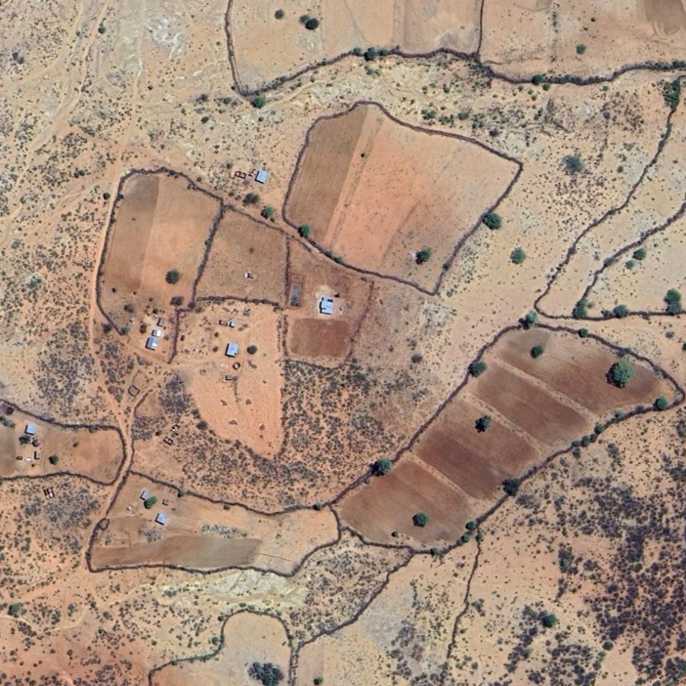
Approximately 600 million people in Africa still lack access to electricity, with the majority living in Sub-Saharan Africa. This number represents a significant portion of the global electricity access gap.
Context and Implications:
Scale of the Problem:
This lack of access is a crisis for millions, with serious impacts on water security, food, education, healthcare, and economic development.
Global Significance:
Africa holds nearly 83% of the world’s unelectrified population, highlighting the continent’s unique challenges in achieving universal energy access.
The Challenge:
Initiatives like# Mission300 by the African Development Bank Group and World Bank aim to connect 300 million people to electricity by 2030 through public and private sector efforts, however, there are still hundreds, if not thousands, of remote villages that will still not be reached due to transmission and timeline restraints.
What is a Microgrid?
A microgrid is a localized energy system capable of operating independently or in conjunction with the main electricity grid. It typically integrates distributed energy resources (DERs) such as solar PV, wind, battery storage, and sometimes diesel backup, controlled by an advanced management system. Microgrids can operate in either grid-connected mode or island mode, providing enhanced resilience and reliability. A microgrid is also quickly deployable versus the timespan and transmission challenges encountered with utility-scale projects.
Rural Applications and Alleviation of Energy Poverty
Africa continues to face challenges in providing reliable electricity to rural communities, especially in Sub-Saharan Africa. Mini-grids offer a cost-effective solution by deploying solar PV and battery storage systems to provide reliable and clean power. By replacing kerosene, paraffin, and diesel generators, microgrids enhance air quality, lower household expenses, and promote socio-economic development.


